Archive

Search the BSVgo archive

Browse published posts by keyword, category, and tag across blockchain, AI, and infrastructure.
28 results

Blockchain
May 25, 202615 min read

What Is a TXID? Its Role, Common Misunderstandings, and Design Tips in BSV

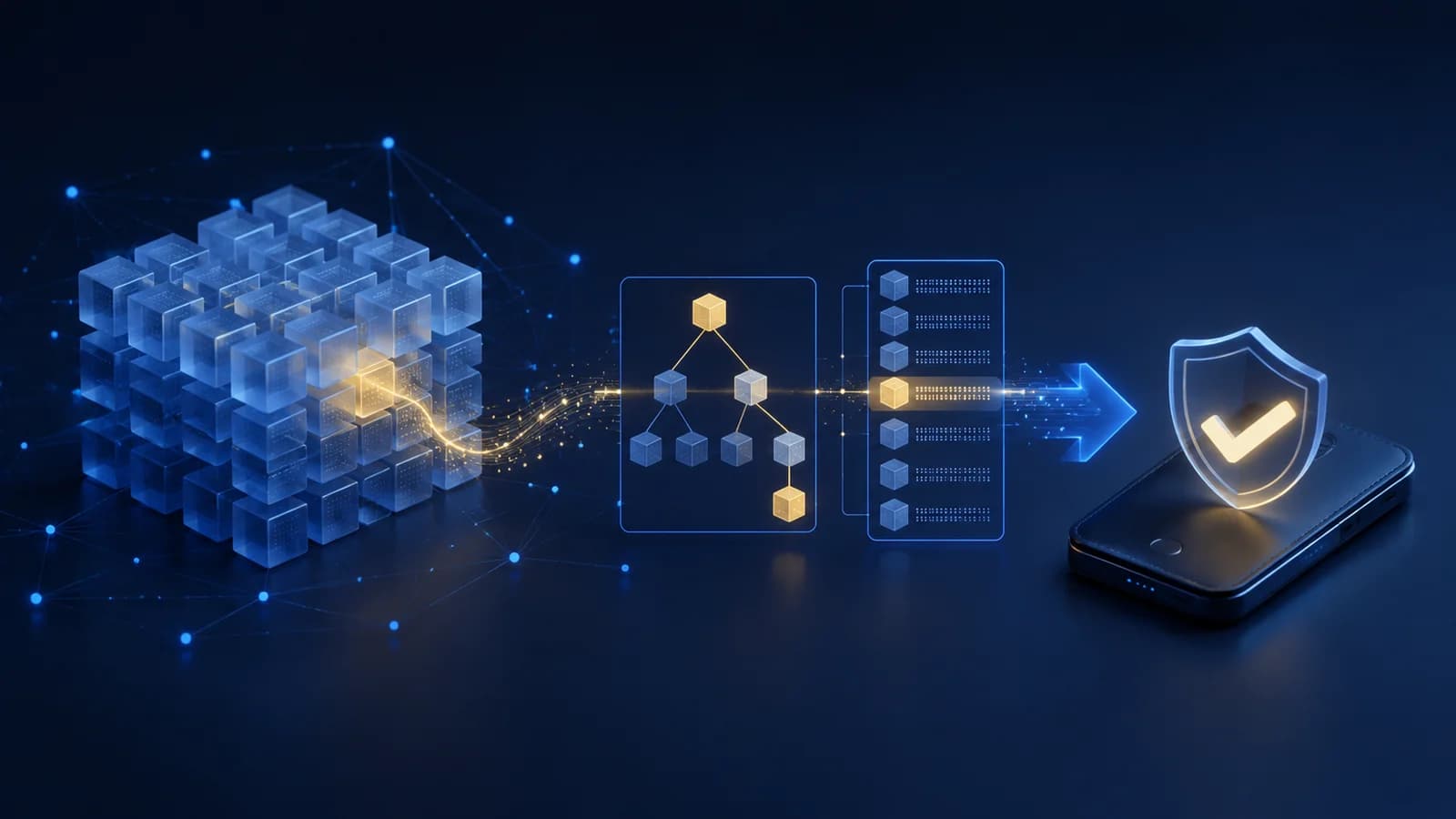
A TXID is the most common transaction identifier in BSV. It can be used to look up transactions, reference outputs, store business records, and build SPV proof flows. But a TXID identifies the whole transaction, not a specific output, and it does not mean the transaction is final. Real applications should store it together with the output index, status, raw transaction, and proof materials.

Blockchain
May 25, 202615 min read

Understanding BSV Transaction Outputs: Amounts, Locking Scripts, and UTXOs

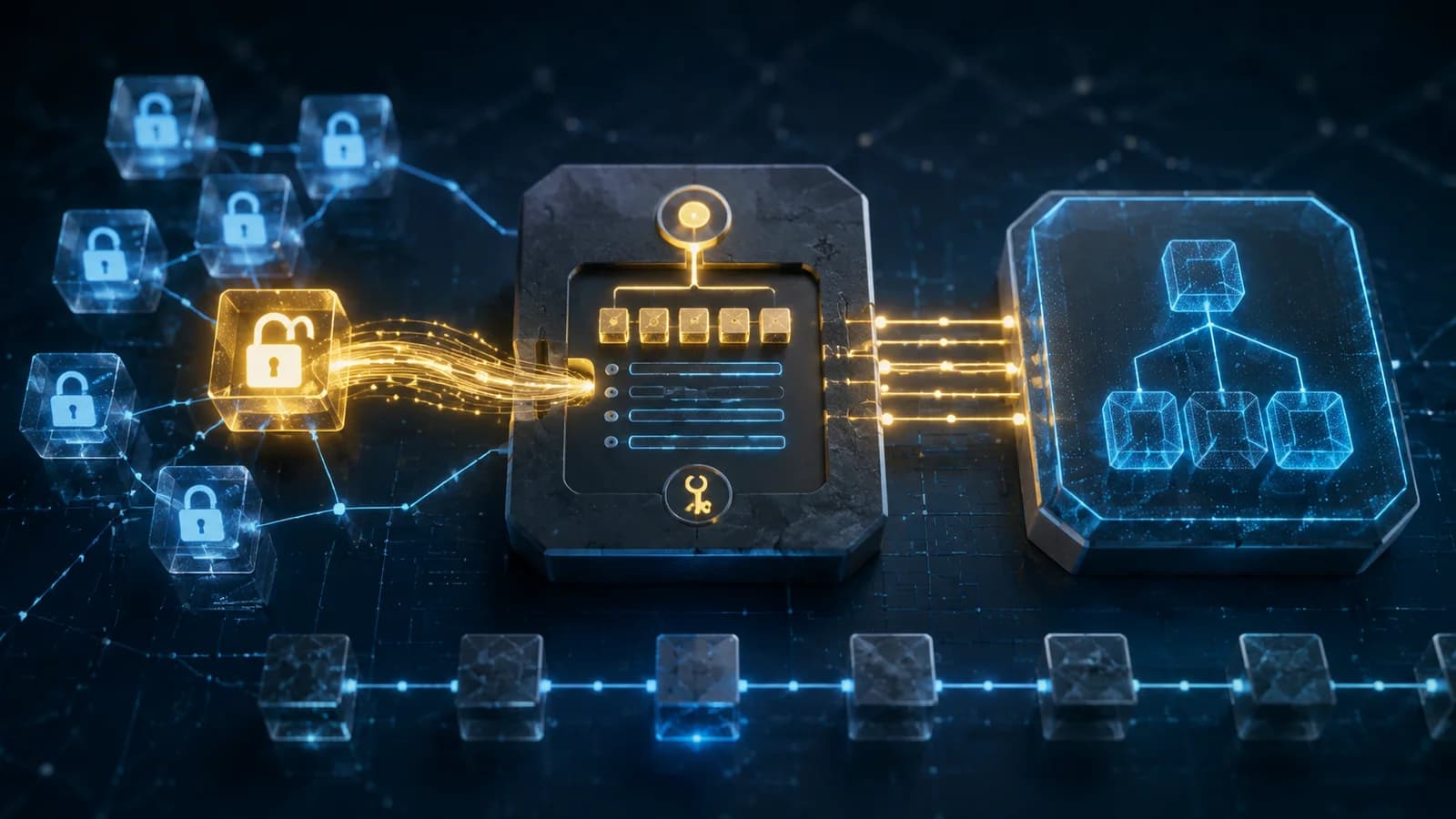
A transaction output is a new unit of value created by a BSV transaction, usually consisting of an amount and a locking script. Outputs can represent payments and change, but they can also carry OP_RETURN data, token state, or business records. Understanding outputs, UTXOs, and output indexes is fundamental to understanding BSV transactions and application protocol design.

Blockchain
May 24, 20268 min read

BRC-100: A Standard Interface Between Wallets and Applications

BRC-100 is an interface standard in the BSV ecosystem that describes how applications and wallets communicate. It emphasizes that applications express business intent while wallets retain control of keys, helping non-custodial applications request transaction creation, signing, and returned results in a safer and more consistent way.

Blockchain
May 24, 202615 min read

A Wallet Is Not an Account System: BSV Wallets Manage Keys and UTXOs

A BSV wallet is not a traditional account system. There is no single on-chain balance field; instead, the wallet calculates balances and creates transactions by managing private keys, UTXOs, inputs, outputs, signatures, and related data. This distinction is essential for understanding change, multiple inputs, non-custodial wallets, and application authorization.

Blockchain
May 19, 20265 min read

Proof of Work: Why Can Miners Order Transactions?

Proof of Work uses a mechanism that is expensive to compute and cheap to verify, allowing miners to compete for new blocks in an open network and using accumulated work to determine the ordering of transaction history. This article explains how PoW works, why miners can order transactions, its security significance, and the miner-economic logic behind BSV’s focus on large blocks, low fees, and high transaction volume.

Blockchain
May 19, 202615 min read

P2P Electronic Cash: What Is Peer-to-Peer Electronic Cash?

Peer-to-peer electronic cash is the starting point for understanding Bitcoin and BSV. It emphasizes transferring digital value directly through transactions, signatures, and a public ledger, rather than relying on central platform accounts. This article explains peer-to-peer, cash, double spending, UTXOs, and why BSV emphasizes low fees, high-frequency transactions, and on-chain data.